2024
The Dogwood Tree
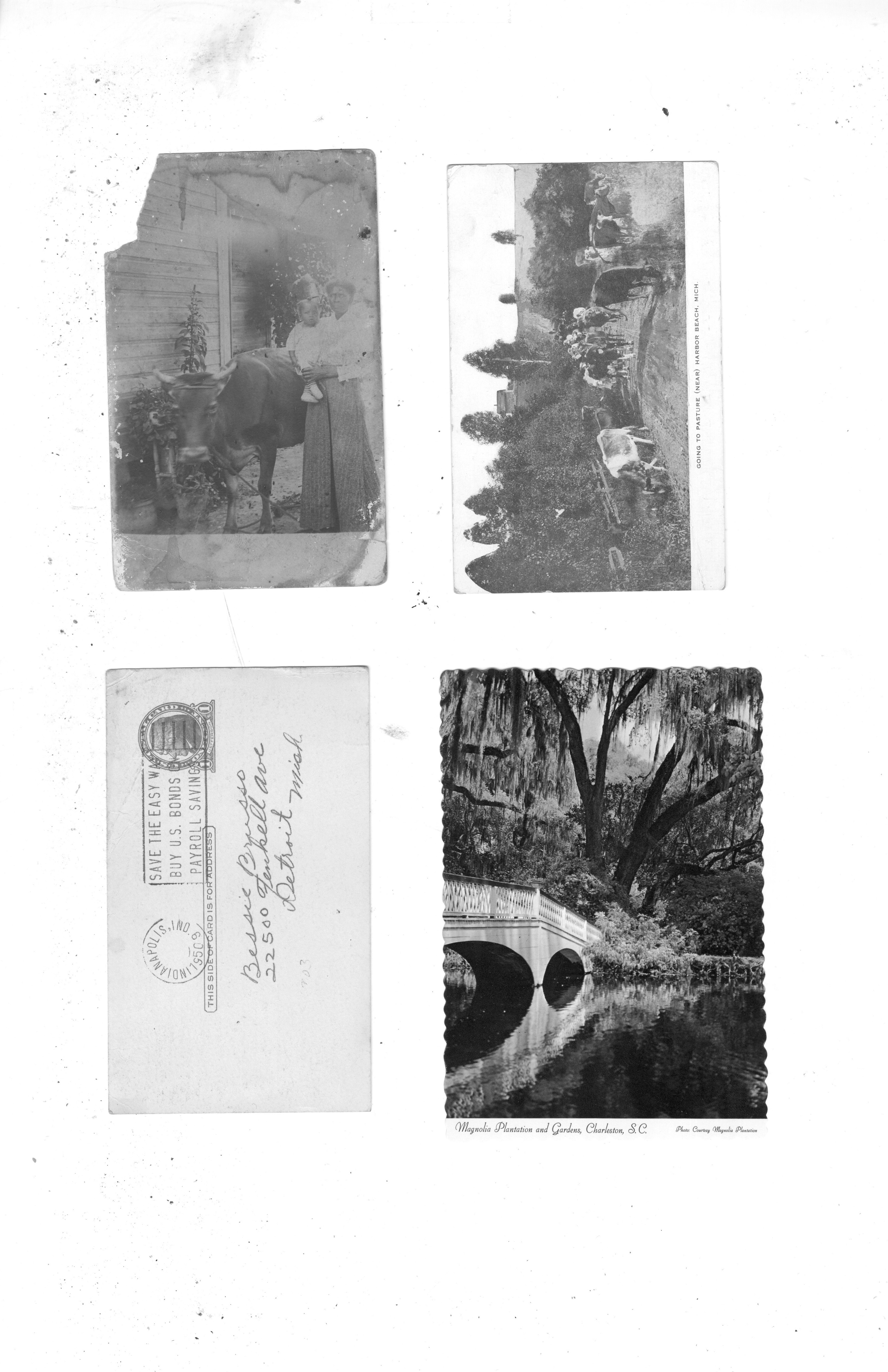
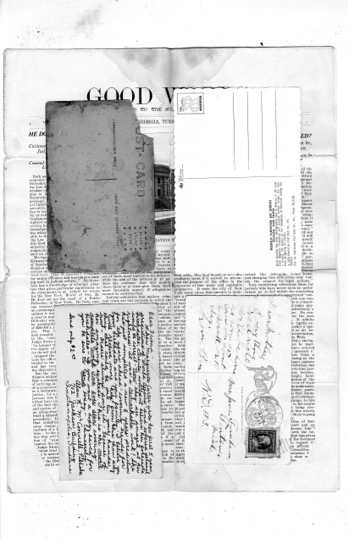
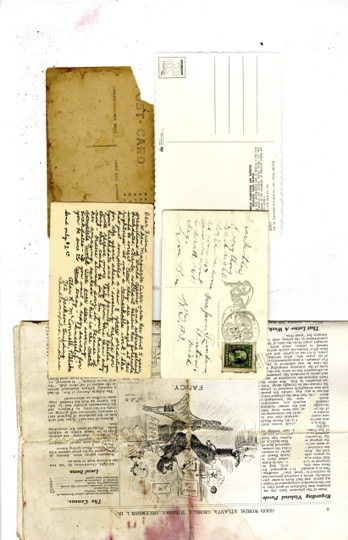
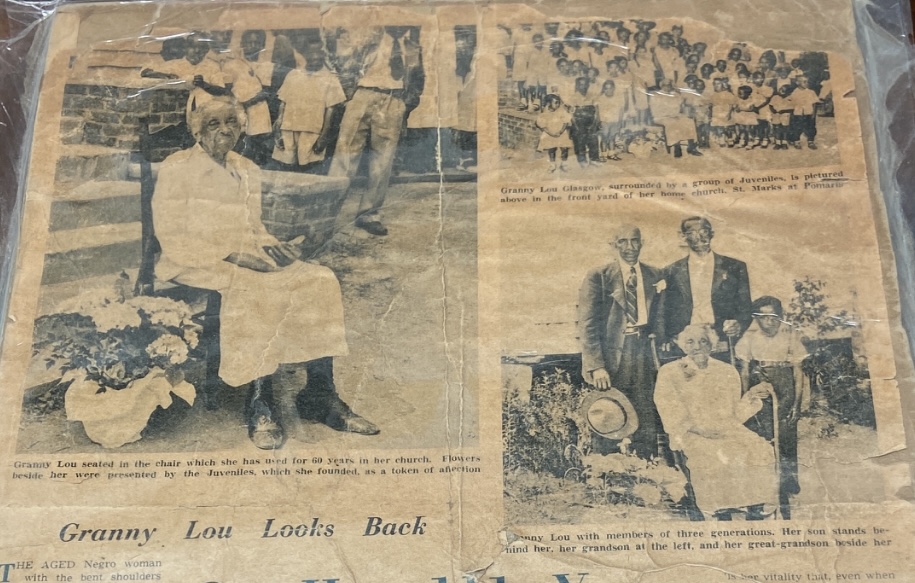
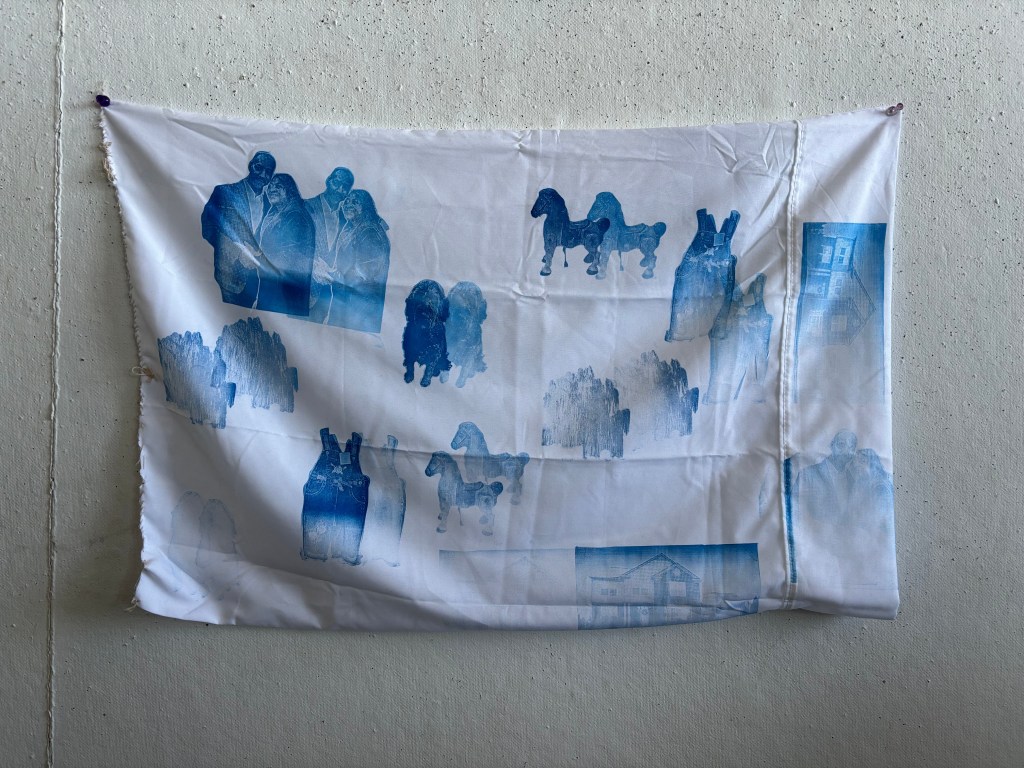
These images represent my personal collection of postcards, specifically vintage images of African Americans and
plantations in the south of the United States. Historically, imagery of African Americans on postcards are
predominantly shown through lynching postcards. From a personal perspective, lynching postcards seem to replicate
or have a connection to hunting imagery. The animal, or in this case, a lynched body, is photographed, highlighting a
hunter’s catch and kill.
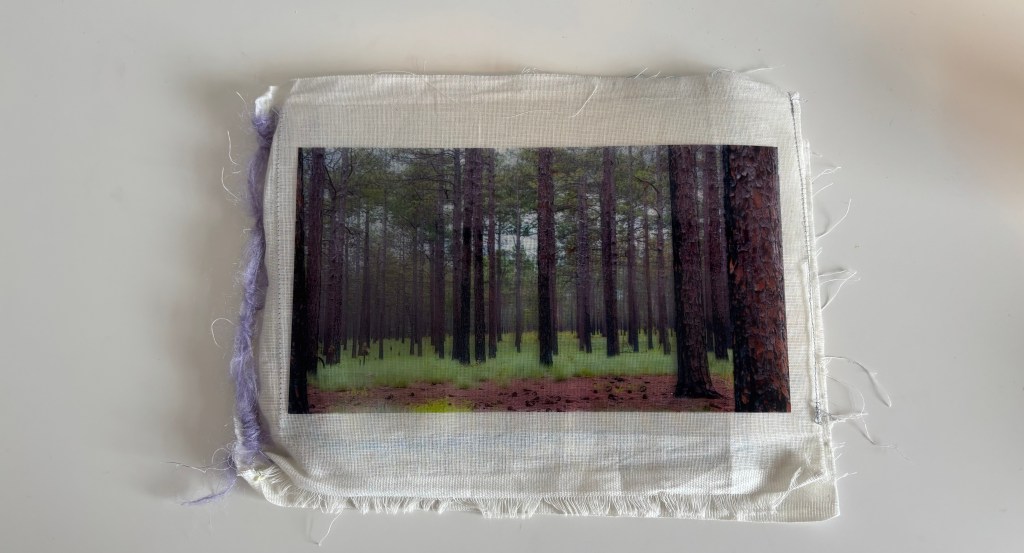
A lynching postcard from 1908 Sabine County, Texas includes a poem entitled “The Dogwood Tree’
“The Dogwood Tree”
Anonymous (1908)
This is only the branch of the Dogwood tree; An emblem of WHITE SUPREMACY.
A lesson once taught in the Pioneer’s school. That this is a land of WHITE MAN’s RULE.
The Red Man once in an early day,
Was told by the Whites to mend his way.
The negro, now, by external grace,
Must learn to stay in the negro’s place.
In the Sunny South, the Land of the Free, Let the WHITE SUPREME forever be.
Let this a warning to all negroes be,
Or they’ll suffer the fate of the DOGWOOD TREE.
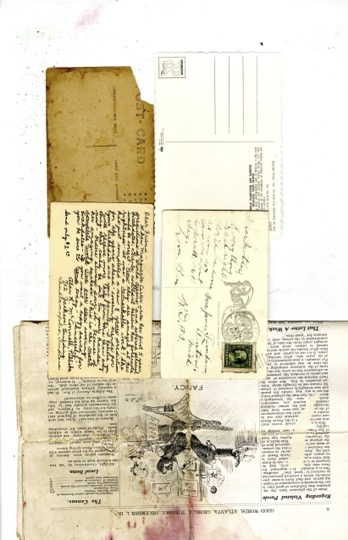
My personal postcards shown in these images represent:
(1) African American Woman and Child
(2) Magnolia Plantation and Gardens, Charleston Sc
(3) Good Words Publication newspaper for The Incarcerated
Though lynching postcards were banned in 1908, their lasting effects still have a haunting presence. These postcards
provide a tangible link to the people who came before us. Postcards serve as a way for us to capture a moment in
time through imagery and words that can be reflected through generations. The act of sending and receiving mail,
specifically mail of this caliber, is interesting in the casual nature of documenting casualties alongside the collective
anonymous publications. Leave us with a small printed 4×6 trace of the past.

 Carissa Hodges